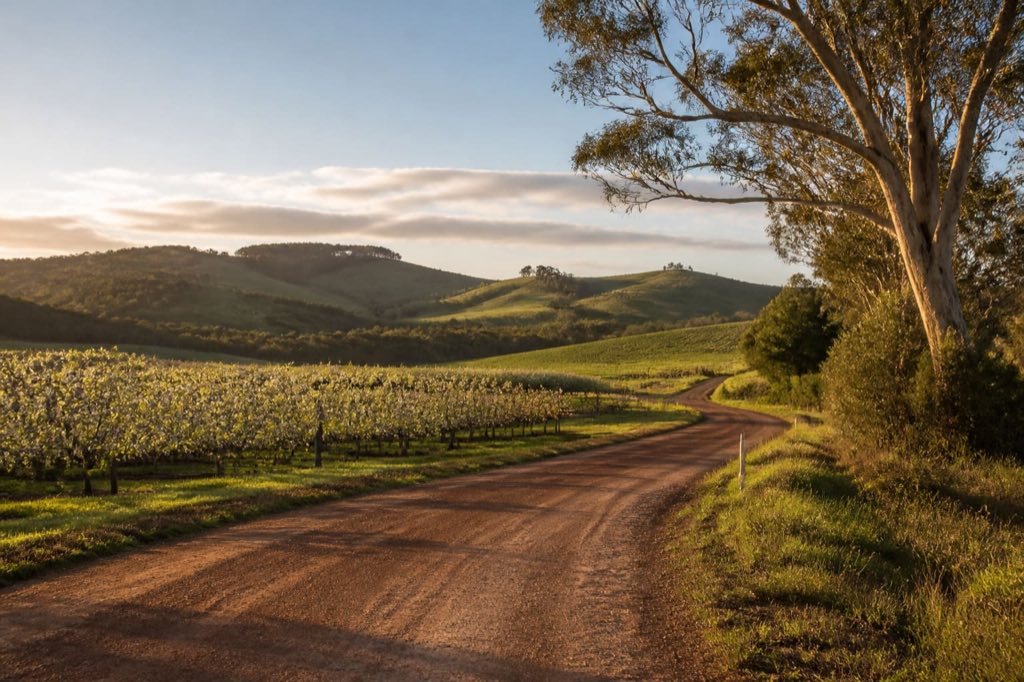
A Donnybrook property campaign can run across changing seasonal conditions. A home photographed in early spring may be inspected later when grass and vegetation look different. An acreage listing may also remain on the market as the Shire’s 2026–27 fire-prevention compliance period approaches.
The right response is not to rush. It is to build a timeline that includes property information, essential maintenance, current fire responsibilities, photography and buyer follow-up. This guide summarises official published information and current market context. Owners must check the full Fire Prevention Order and obtain property-specific advice; this article is not legal, fire, planning or valuation advice.
Donnybrook’s current market context
REIWA’s Donnybrook suburb profile was updated on 5 September 2026 using settled transactions for the 12 months ending August 2026. It reported a median house sale price of $730,000, annual median growth of 14.1% and a median selling time of 40 days. The lower quartile was $640,000 and the upper quartile was $850,000.
Bedroom-based figures were $620,000 for two-bedroom houses, $677,000 for three-bedroom houses and $838,000 for four-bedroom houses. These numbers are useful context, but Donnybrook’s mix of town homes, larger blocks, lifestyle property and rural holdings makes direct comparison especially important.
A 40-day median selling time should be read as the midpoint of the settled group, not a campaign deadline. A distinctive rural property may need time to reach suitable buyers. A well-presented town home may move differently. A licensed agent should explain the comparable sales and how land, water, improvements, condition and location affect the individual property.
Market source: REIWA Donnybrook suburb profile, updated 5 September 2026. REIWA advises that figures may change as additional transactions settle.
The 2026–27 Fire Prevention Order matters to sellers
The Shire of Donnybrook Balingup states that owners and occupiers must carry out fire-prevention and fuel-hazard reduction work under section 33 of the Bush Fires Act 1954. Its current page links the Fire Prevention Order 2026–2027 and says required work must be completed by 1 November 2026 within townsites and by 15 November 2026 outside townsites. Properties must then be maintained until 31 March 2027, or brought into compliance within 14 days of a person becoming an owner or occupier.
The requirements vary by property category. The Shire lists separate standards for smaller townsite land; rural residential, rural small holding or tourist land; larger general or priority agriculture land; plantations; and fuel or gas depots. The published requirements can include grass height, firebreaks, access tracks, low-fuel zones and management around buildings, haystacks, fuel storage or boundaries.
Do not rely on a short summary to decide what applies. Check the full current order, zoning, area and any property-specific conditions. The Shire also states that an existing Bushfire Management Plan or development condition does not remove the obligation to comply with the order unless an alternative measure has written approval.
If the listing may remain live into November, discuss the compliance work, inspection routes and updated photography before launch.
Fire-prevention source: Shire of Donnybrook Balingup, Fire Prevention and Your Responsibilities, including the 2026–27 deadlines published when checked on 5 September 2026.
Separate safety work from visual styling
Fire-prevention work exists to reduce risk, not to make a listing photograph prettier. It should be planned around the official requirements and carried out safely. Where machinery, burning or technical work is involved, follow the current rules and obtain qualified help when needed.
Once required work is complete, the clearer access and reduced clutter may also help buyers understand the land. Photograph the current condition. Do not use an older green-season image as though it shows the property today, and do not describe the property as compliant unless that status has been properly established.
A rural campaign can include factual information about access tracks, managed areas, water, sheds and improvements. Avoid suggesting that vegetation shown in marketing establishes a future approval outcome or a particular Bushfire Attack Level.
Prepare a town property differently
For townsite land, start by checking the current property category and the published requirements. Then focus on the buyer’s everyday experience. Mow and edge, remove dead material and unused items, clean paths and make the front entry obvious. If a side access, workshop, covered parking or productive garden is an important feature, show it clearly.
Inside, remove visual noise from benches and floors, clean windows and arrange furniture so room proportions make sense. Repair obvious minor defects and gather records for major systems, renovations and improvements. A buyer should not have to guess whether a room has a defined purpose or whether a feature works.
Prepare lifestyle and rural property information
Rural and lifestyle buyers often need detailed information before travelling. Prepare a factual pack covering water sources, tanks, bores, pumps, fencing, paddocks, sheds, access, wastewater arrangements, power and internet where known. Include plans, approvals, invoices and warranties that can be shared appropriately.
The Shire’s planning information explains that the Local Planning Scheme guides zoning, land use and development, and that development approval and a building permit are separate processes. If a seller is unsure about a shed, converted structure, access arrangement or claimed land use, the issue should be investigated before advertising.
Do not market “subdivision potential”, “approved accommodation” or another planning outcome without reliable evidence. Direct buyers to PlanWA, the Shire and their own advisers for intended future uses.
Planning source: Shire of Donnybrook Balingup planning FAQs, checked 5 September 2026.
Information to assemble before the campaign
- Title, rates and available approved plans.
- Records for additions, sheds and significant renovations.
- Water, wastewater, fencing, access and service information.
- The current Fire Prevention Order and relevant property category.
- Maintenance records and warranties for important systems.
- A list of material questions for the licensed selling agent.
Schedule photography around real readiness
Do not choose the photography date simply because the forecast is sunny. Complete required safety and maintenance work first. Check access, remove vehicles and equipment from important views, clean the home and identify the features the photographer needs to explain.
A town-home campaign usually needs a strong exterior, a logical room sequence and clear coverage of parking and outdoor living. A lifestyle or rural campaign may also need the relationship between the house, sheds, access and land. Lawful drone imagery can add context, but it should not imply precise boundaries unless those boundaries are separately and accurately represented.
Professional photography and video from a team such as Southside Media can help an out-of-area buyer understand the property before travelling. Video should show movement and setting rather than repeat the still images. Captions, a floor plan and accurate property information can answer the practical questions that attractive visuals cannot.
Keep the campaign current if conditions change
If a campaign runs for several weeks, review the images and written information. Seasonal conditions, access and completed work may change. Update material information where necessary rather than leaving buyers with an outdated impression. The Shire notes that fire dates can be varied according to conditions, so sellers should continue checking official information.
Discuss campaign feedback with the licensed agent at agreed intervals. Separate comments about price from questions caused by missing information or unclear marketing. Sometimes the best improvement is not a price change but a better explanation of water, access, improvements or maintenance.
Read the Donnybrook town and acreage guide for more detailed preparation by property type. Return to the Donnybrook Property Guide for the appraisal process and examples of professional property marketing.
Build a spring campaign around readiness
Request a free Donnybrook property appraisal introduction and marketing review. A licensed real estate professional can assess comparable sales, while the marketing review considers the information, photography and video needed to present the property clearly.
Request a free property appraisal