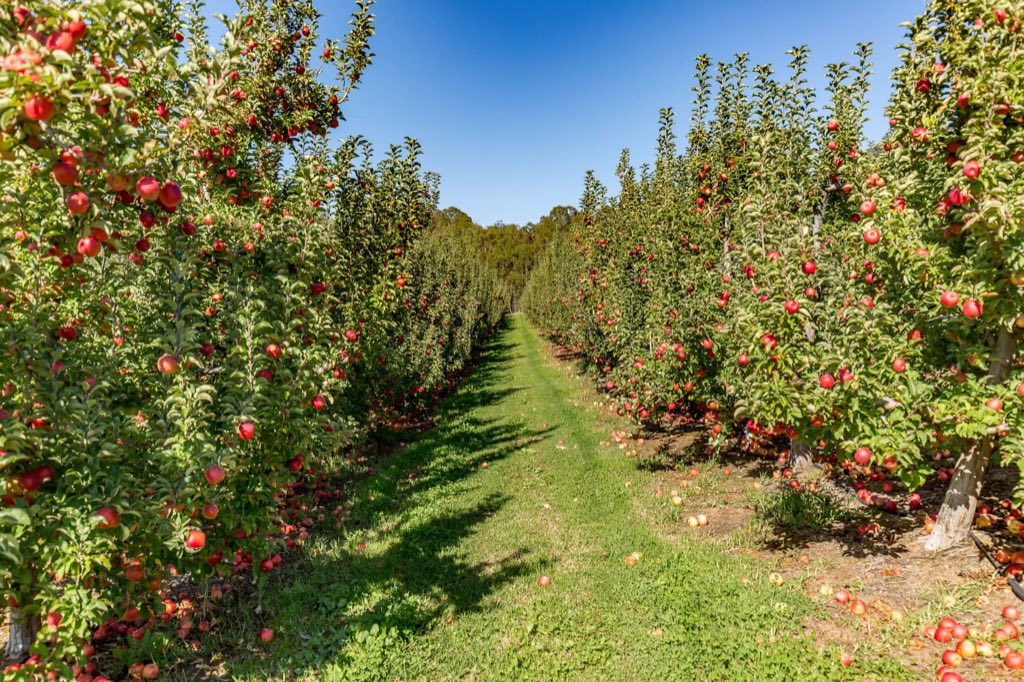
A Donnybrook lifestyle block, smallholding or orchard may have tanks, dams, bores, pumps, irrigation lines and water licences that a town-home buyer rarely needs to consider. These features can be important, but they should never be reduced to a vague claim such as “plenty of water”. A serious buyer will want to know where the water comes from, what infrastructure exists, what rights or approvals apply and what information has been verified.
This guide helps sellers assemble a useful water-information pack for the licensed agent and marketing team. It is general information only. Water licensing, transfer, planning, environmental and contractual requirements depend on the property and proposed use. Confirm the position with the Department of Water and Environmental Regulation, the Shire of Donnybrook Balingup and qualified legal or technical advisers.
A water licence does not simply follow the land
The WA Government's current water-licensing guidance states that a licence to take water is not automatically transferred when a property is sold. A purchaser who wants to use water may negotiate a transfer or trade with the existing owner and apply before, or within 30 days after, settlement. If the seller does not transfer the licence, the purchaser may need to apply for a new one. Availability is not guaranteed, particularly where allocation limits have been reached.
This is a material planning point for sellers. Do not advertise licensed water as though transfer is automatic, and do not assume a licence covers every bore, dam, volume or purpose. Obtain the current instrument, check its holder, source, entitlement, conditions and expiry details, and ask DWER what process applies to the intended transaction.
State sources: WA guidance on water licences and property purchases and the WA Water Register, accessed 8 September 2026.
Use the Water Register, then confirm the details
The Water Register can be searched by property, licence number or licensee. The State says the register displays current groundwater and surface-water licences and can help identify water resources and availability. Its information changes daily and is general in nature, so it is a starting point rather than the only evidence for a sale.
Place the current licence and relevant correspondence in the sale file. Record any recent meter readings or annual reporting that the licence requires. If the licence holder's details do not match the selling entity, or if the infrastructure has changed since the licence was issued, seek advice early. A last-minute water question can affect the buyer's due diligence, finance or intended use.
A bore, pump or dam may be visible on the land. The right to construct, take or use water is a different question that needs its own verification.
Dams and watercourses need careful description
Some farm dams may fall within licensing exemptions, but the conditions matter. Current WA guidance explains that an exemption can apply where captured drainage water is not stored on a watercourse or wetland, there is no sensible reduction in downstream volume or flow, there are no significant environmental effects and the development is consistent with local by-laws. Spring and riparian circumstances have separate conditions.
A permit may also be relevant when works interfere with the bed or banks of a watercourse or wetland. DWER's checklist includes dams, weirs, pumps, drains, pipelines, crossings and other activities that alter flow or the natural environment. Sellers should not infer an exemption from the appearance or age of the dam.
Water sources: WA water-licensing exemptions and DWER water-permit checklist, accessed 8 September 2026.
Prepare a physical water-system inventory
Walk the property with someone who understands the system and create a labelled plan. Mark bores, dams, tanks, pumps, filters, troughs, irrigation mains, valves, power supplies and significant crossings. Show which areas are currently irrigated and which infrastructure is unused or requires repair. Do not publish a yield, capacity or irrigated-area figure unless it has been measured or supported by current documentation.
For each bore, record the available construction or drilling details, pump specifications, service history and any water-quality test you intend to provide. For tanks and dams, note measured or documented capacity, catchment arrangement and current condition. For irrigation, list controller, filtration, mainline and zone information without guaranteeing future performance.
If the property has commercial horticultural infrastructure, keep operational records separate from the real estate description. Crop performance, water use and business income involve variables beyond the land and fixtures. Obtain accounting, legal and agricultural advice before supplying business information or making production claims.
Check Shire records for structures and site plans
Water infrastructure is only part of the rural-property file. The Shire of Donnybrook Balingup says building and development approval are separate processes and that approval is nearly always required for sheds, patios, carports and other Class 10A structures. Its 2026 application checklist asks for a site plan showing existing structures, setbacks, access and the position of an onsite effluent system where the property is not sewered.
An accurate existing site plan can become the basis of the seller's information map, but it should not be altered in a way that implies official endorsement. Keep the approved plan, your explanatory diagram and the marketing graphic clearly distinct. Ask the Shire what records are available when structures or uses have changed.
Local sources: Shire of Donnybrook Balingup building FAQs and its 2026 Class 10A application checklist.
Translate the facts into buyer-friendly marketing
Rural marketing works best when it helps a buyer understand the property before travelling. Professional photography by a team such as Southside Media can show the home, productive areas and infrastructure in a logical sequence. Video can explain the journey from entrance to dwelling and working areas. Aerial imagery can add context where it is lawful, safe and accurately represents boundaries and scale.
Create a short factual water summary for qualified enquiries. It may list verified sources, licence references, tank and dam information, major equipment and where detailed documents can be reviewed. Avoid absolute terms such as “unlimited”, “permanent” or “guaranteed”. Seasonal conditions, mechanical reliability, licence conditions and water quality all require care.
Photography should not hide the condition of visible infrastructure. Tidy pump sheds, remove loose materials, repair obvious leaks and mow safe access routes before the shoot, but do not digitally alter dam levels, vegetation, boundaries or equipment. Buyers should see a clear and honest picture.
A Donnybrook water-records checklist
- Current water licence and DWER correspondence, where applicable.
- Water Register search details checked against the property and licence holder.
- Advice about transfer, trade or new-licence requirements for the proposed sale.
- Bore, dam, tank, pump and irrigation inventory with a labelled property plan.
- Available installation, servicing, testing, metering and repair records.
- Known permit or approval information for dams, crossings and other works.
- Shire planning and building records for relevant structures and land uses.
- Onsite wastewater information where the property is not connected to sewer.
- A list of unverified claims that must not appear in advertising.
Questions for the licensed agent and advisers
Ask which water details are relevant to the likely buyer, how the licence should be described and what information should be available before inspections. Confirm whether any sale condition, specialist report or legal advice may be appropriate. If the property includes an operating orchard or other enterprise, clarify exactly what is included in the real estate sale and what requires separate documentation.
Then align the appraisal and marketing plan with the verified property. A useful water setup can strengthen buyer interest, but it is one part of the overall value proposition alongside location, dwelling, land, access, improvements, condition and current market evidence.
The practical conclusion
For Donnybrook acreage and orchard sellers, water information is not a minor appendix. It can shape how buyers assess use, risk and future plans. A well-organised file separates infrastructure from entitlement, identifies gaps early and gives the marketing team facts it can explain without overstatement.
For broader campaign planning, read the Donnybrook town-home and acreage guide and the 40-day Donnybrook campaign plan.
Preparing a Donnybrook acreage sale?
Request a free appraisal introduction and property-marketing review. A licensed local agent can discuss comparable sales and property information, while the marketing review considers how photography and video should explain the land and improvements.
Request a free property appraisal