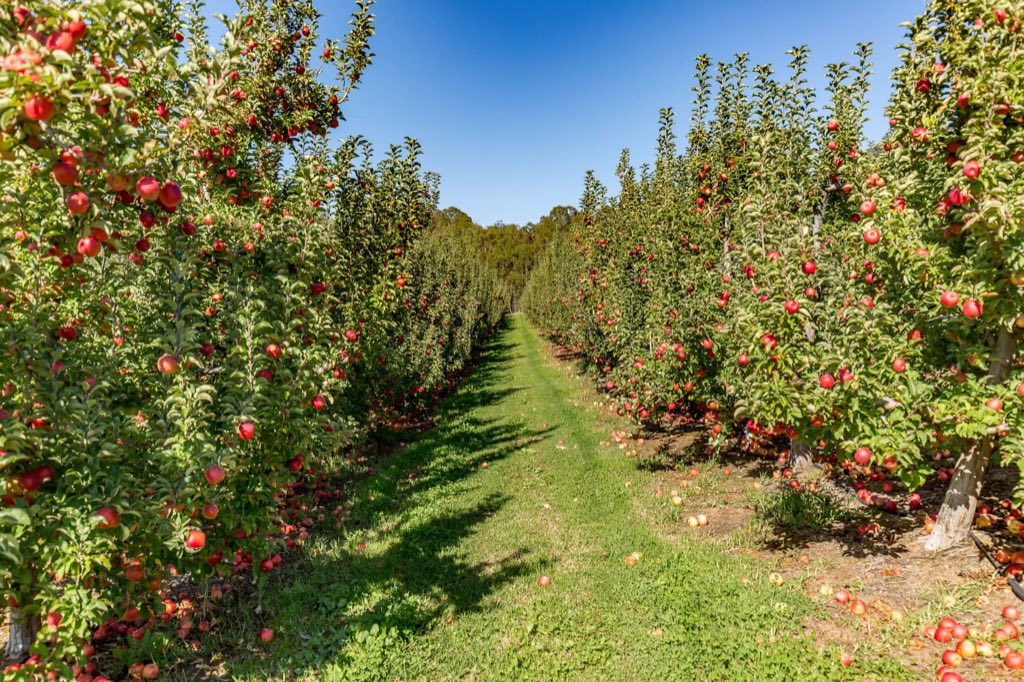
Donnybrook and the surrounding district are known for orchards, rolling rural land and lifestyle holdings. A sale may involve far more than a house and bare land: pumps, tanks, irrigation lines, sheds, cool rooms, netting, fencing, machinery, fuel storage, solar equipment and workshop tools may all be present. Sellers can create confusion when advertising treats every visible item as automatically included.
This guide is general preparation information, not legal, tax, valuation, water-licensing or settlement advice. Whether an item is part of the land, a fixture, a chattel, leased equipment or business property can depend on the facts and contract. Ask a licensed real estate agent and settlement or legal adviser to confirm how each important item should be described.
Why the distinction matters before marketing
WA Consumer Protection explains that chattels are movable items that are not regarded as part of the structure, while fixtures are fixed parts of the property. Its sale-by-offer-and-acceptance guide says fixtures generally remain and chattels are removed unless the contract states otherwise. It recommends listing uncertain items clearly, including common items such as sheds and appliances.
On orchard and acreage properties, the uncertainty can be more expensive. A pump may be bolted to a slab but leased. Irrigation lines may be buried, laid on the surface or attached to movable equipment. A cool room may be integrated into a building or assembled as a removable unit. A buyer's assumption based on a photograph is not a reliable sale term.
Contract source: WA Consumer Protection guide to sale by offer and acceptance, accessed 9 September 2026.
Make three inventories, not one
Begin with a permanent-improvements schedule. List the dwelling, sheds, hardstand, fixed tanks, bores, dams, fixed pumping stations, permanent irrigation mains, fencing, yards, solar installations and other improvements intended to remain with the land. Add approval references, approximate installation dates, capacities or dimensions only where documented, and known maintenance needs.
Next create an included-chattels schedule for movable items the seller intends to leave. This could include a tractor, slasher, mobile pump, irrigation fittings, ladders, bins, cool-room equipment, workshop machinery or furniture. Record the make, model, serial number, condition and whether GST or other tax treatment needs professional consideration.
Finally, create an exclusions and third-party-property schedule. Identify borrowed, hired, leased or financed equipment; contractor-owned bins; utility equipment; tenant property; and anything the seller will remove. Note the proposed removal date and any repair or make-good work after removal.
If machinery, tanks or irrigation equipment appears in the campaign, the copy and contract should not leave buyers guessing whether it stays. Give the agent an itemised schedule before the image selection is final.
Map the irrigation system as an asset
Water infrastructure can be central to the usefulness of a Donnybrook orchard or rural holding. Prepare a simple plan showing the water sources, pumps, filters, mainlines, valves, irrigation zones, storage tanks, dams and power supplies. Mark which components are fixed and which are movable. Include manuals, installation invoices, recent servicing and known faults.
Do not merge infrastructure with water rights. A pump or dam may remain physically on the property while a licence, entitlement or supply agreement has its own transfer or approval process. Our Donnybrook water licence, dam and bore records guide explains how to assemble the separate water file.
The Shire of Donnybrook Balingup describes its district as including orchards, rivers, forests, vineyards and rolling hills. Its planning information explains that zoning is identified through the local planning scheme maps. Sellers should verify approved land uses and structures rather than assuming that current activity or visible infrastructure proves approval.
Local context: Shire of Donnybrook Balingup district information and planning FAQs and information, accessed 9 September 2026.
Review sheds, cool rooms and fixed plant
Match each significant building or structure to available planning and building records. Record the approved use rather than relying on the way it is currently used. A shed containing a kitchen or sleeping area should not be marketed as approved accommodation unless the records support that use.
For fixed plant, record power requirements, capacity, service history, compliance documents and ownership. Note any component that is no longer operating or has been bypassed. Where the buyer may depend on refrigeration, packing or processing facilities, encourage independent inspection rather than offering a performance warranty in ordinary marketing copy.
Clean and photograph work areas, but do not hide deterioration, corrosion, leaks or unsafe wiring. A clear image of an organised pump shed helps buyers understand the system. It should not imply recent installation or excellent condition unless that statement is supported.
Decide how machinery will be valued and contracted
Some sellers want machinery included to create a ready-to-operate package; others prefer to sell equipment separately. Make that decision before advertising. If machinery is included, ask the appropriate advisers whether a separate value, condition report, tax treatment or contract schedule is needed. Consumer Protection notes that some farm-related chattels may receive different transfer-duty treatment and directs consumers to the responsible revenue authority for advice.
Do not bundle unsafe, unserviceable or undocumented equipment into the sale merely to clear the property. Record operating condition honestly and consider inspection by a qualified person. Remove chemicals, fuels, waste and obsolete machinery in accordance with legal and environmental requirements.
If a buyer negotiates for an item later, make sure the written contract is updated. Verbal assurances during an inspection are a poor substitute for a signed schedule that identifies the exact item and whether it is included without warranty or subject to another condition.
Use professional media to explain, not confuse
Professional photography and video from a team such as Southside Media can show how the home, orchard rows, sheds, water infrastructure and access relate to one another. Plan the shoot from the inventory. Wide images establish setting; closer frames can show permanent improvements; video can demonstrate the route between operational areas.
Aerial imagery is particularly useful for rural scale, but it must not imply a surveyed boundary. Use an indicative overlay only when its limitations are clear and the source is suitable. Avoid editing that changes vegetation, removes neighbouring uses, disguises infrastructure condition or makes a dam appear fuller than it was on the day.
Time-sensitive orchard images should be dated when seasonality matters. Flowering, fruit load and green pasture vary through the year and are not guaranteed future conditions. A seller can use historical images as supporting context if they are labelled by date and not presented as the property's current appearance.
Prepare useful buyer evidence
A well-organised data room can contain the item schedules, approvals, title and plan information obtained through the relevant professionals, water records, maps, manuals, servicing information, power details, maintenance notes and redacted operating records. Give buyers access through the agent in stages appropriate to the campaign and protect personal, security and commercially sensitive information.
Keep factual property documents separate from seller estimates. If you provide an orchard planting schedule, state who prepared it and when. If tree counts, varieties, ages or yields are estimates, label them. If a buyer needs production or financial information, ensure the material is complete enough to understand and recommend independent agricultural, accounting and legal review.
The same discipline applies to lease or contractor arrangements. Orchard management, grazing, equipment hire, solar, telecommunications and access arrangements may not transfer automatically. List every ongoing agreement and obtain advice on termination, assignment and disclosure.
A Donnybrook rural sale checklist
- Permanent-improvements schedule with approvals and condition notes.
- Included-chattels schedule with make, model and serial numbers where useful.
- Exclusions and third-party-property schedule.
- Irrigation map, equipment list, manuals and service records.
- Separate water-source, licence, dam and bore information.
- Records for sheds, cool rooms, fixed plant, power and solar systems.
- Professional advice on machinery value, contract wording, tax and duty.
- Current photographs matched to the inventory and accurate captions.
- A list of faults, missing records and matters requiring buyer inspection.
Make the sale package understandable
The goal is not to bury a buyer in technical detail. It is to remove avoidable ambiguity. A precise inventory helps the agent describe what the property offers, helps the creative team photograph the right assets and gives the contract professionals a clear starting point.
For broader preparation, read the Donnybrook town-versus-acreage selling guide and the 40-day campaign plan.
Preparing a Donnybrook orchard or acreage for sale?
Request a free appraisal introduction and property-marketing review. A licensed local agent can assess the sale evidence and inclusions, while the marketing review considers how to show the land and improvements clearly.
Request a free property appraisal